
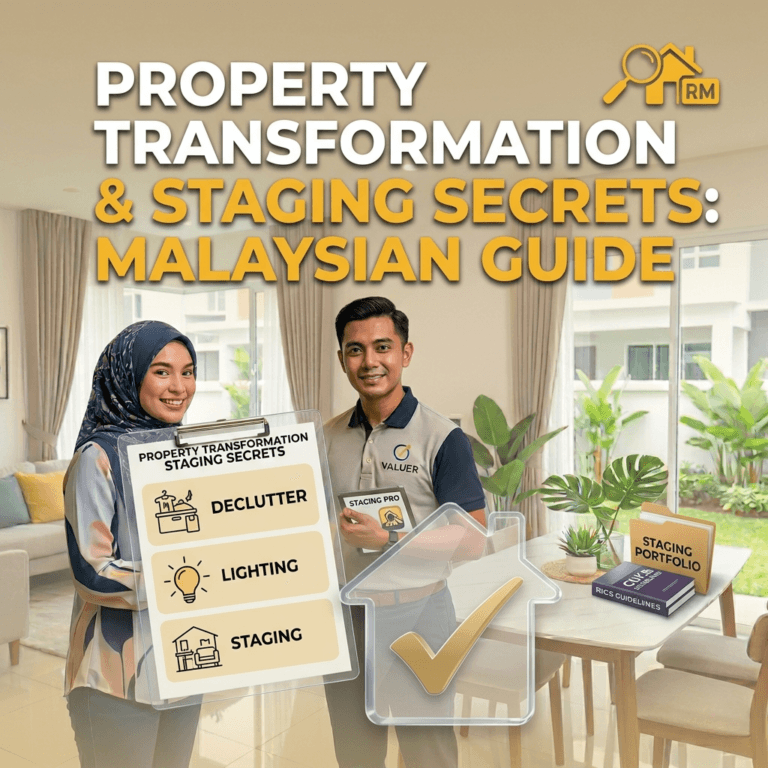
Property Transformation and Staging Secrets: The Malaysian Guide
When preparing a terrace house, semi-D, or high-rise condominium for the competitive sub-sale market, standard cleaning is rarely enough to command top dollar. To truly stand out in listing portals and capture the attention of high-intent buyers, you must look at your home through the lens of asset optimization. Executing high-impact property transformation and staging secrets allows you to shift a buyer’s perception from “this is a lived-in space” to “this is my future home.”
Many Malaysian property owners assume that major, expensive renovations are required to increase a home’s aesthetic appeal. However, seasoned real estate investors rely on strategic, sensory, and psychological design shifts rather than structural overhauls. Let’s unlock the internal operational playbook that converts standard interiors into premium, high-value real estate assets.
The Core Philosophy of Property Transformation
Property staging is not interior design. While interior design is focused on personalizing a space to suit the current owner’s unique tastes, staging relies entirely on depersonalization. The goal of implementing property transformation and staging secrets is to create a neutral, aspirational canvas that highlights the architectural strengths, natural lighting, and layout flow of the property.
According to global property guidelines by the Royal Institution of Chartered Surveyors (RICS), asset presentation heavily influences market liquidity and buyer decision-making speeds. In Malaysia’s dense urban centers like the Klang Valley, Penang, and Johor Bahru, a staged home can sell up to three times faster than an empty or cluttered counterpart, frequently avoiding the need for aggressive price drops.
The 5 Essential Property Transformation and Staging Secrets
1. The “De-Trashing” and Depersonalization Rule
The most cost-effective transformation step costs absolutely nothing: removing visual clutter.
Clear away family photos, religious artifacts, and highly specific decor. Buyers need to imagine their own lives in the space without feeling like intruders.
Clear off kitchen counters entirely, leaving only one high-end appliance (like a premium espresso machine) to signal a luxury lifestyle.
Box up 50% of your closet contents. Semi-empty closets instantly create the optical illusion of massive storage space.
2. Tropical Climate Lighting Optimization
Malaysian homes often battle deep shadows due to dark security grilles or heavy tinted windows designed to block heat. To combat this, maximize ambient and artificial light:
Replace old, yellowing fluorescent tubes or warm 2700K bulbs with crisp, clean cool-white (4000K to 5000K) LED downlights. This makes spaces look cleaner and larger.
Pull back heavy curtains and wash window panels thoroughly. Sunlight streaming across a polished porcelain tile floor instantly elevates perceived value.
3. Zoning with Strategic Furniture Placement
Do not push all your furniture flat against the walls—this actually makes a room look smaller and rigid. Instead, practice “floating” your furniture to create distinct lifestyle zones:
In a typical open-plan Malaysian terrace home, use a neutral area rug to clearly define the living lounge away from the dining corridor.
Set the dining table with minimalist placemats and a simple centerpiece to guide the buyer’s eye naturally through the flow of the floor plan.
4. Eradicating Localized Sensory Red Flags
A successful property transformation targets sensory experiences beyond just sight. Smell and temperature play a massive role in locking down a premium sub-sale offer:
The Cool-Air Principle: Turn on the air conditioning units 30 minutes before any viewing. In our tropical climate, entering a crisp, cool oasis instantly relaxes a tired buyer, encouraging them to stay longer.
Olfactory Staging: Eliminate heavy cooking odors or pet smells. Avoid overpowering artificial air fresheners; instead, utilize natural, local scents like a subtle lemongrass (serai wangi) diffuser or fresh pandan leaves tucked discreetly out of sight.
5. Quick Cosmetic Fixes with Massive ROI
Instead of spending thousands replacing old kitchen cabinets, focus on high-yield cosmetic updates:
Apply a fresh coat of premium matte white paint to the entire interior. This covers up scuffs and reflects maximum light.
Upgrade old, dated cabinet handles and bathroom hardware to sleek matte black or brushed gold fixtures.
Re-grout discolored floor tiles in the wet kitchen and bathrooms to make wet areas look brand new.
Staging Checklist for Malaysian Property Frameworks
| Target Zone | Staging Action Plan | Projected Impact |
| Car Porch | Power-wash oil stains; clear stray shoes; place two potted green plants. | Boosts initial curb appeal instantly. |
| Living Room | Use neutral cushions; clear TV console cables; open window grilles. | Accentuates built-up space and layout flow. |
| Master Bedroom | Dress bed in crisp, hotel-white linens; clear side tables completely. | Emphasizes a luxury, restful sanctuary feel. |
| Wet Kitchen | Hide dish racks; fix leaky taps; ensure floor traps are dry and clean. | Signals structural maintenance and hygiene. |
Preparing Your Home for the Ultimate Market Appraisal
Mastering these staging techniques directly complements your formal property evaluation goals. If your transformation is complete and you are now awaiting a bank representative or property surveyor to determine your home’s official financing limits, you need to seamlessly transition from marketing staging to appraisal preparation.
To ensure your newly transformed space translates directly into a higher asset valuation, make sure to read our companion overview detailing how to prepare your house for a valuation visit effectively.
By pairing deliberate property transformation and staging secrets with organized upgrade documentation, you remove any subjective friction from both prospective buyers and bank valuers alike, safeguarding your equity and maximizing your return on investment.